Opening Prayer
I was created out of nothing for the sole purpose of praising Thee eternally; therefore, I seek a heart that offers “continual thanksgiving” in every circumstance. Let not prosperity seduce me into a selfish praise, nor adversity hold me back from blessing Thy name. I desire to praise Thee rightly, with my whole heart and every intention.
I petition Thee for a heart that praises Thee equally in prosperity and adversity. Grant me the grace to desire nothing from Thee but Thyself. Let the fruit of my praise be righteousness in this life and the happiness of Thy presence in the life to come.
Amen.

Luke 5:1-11
1And it came to pass, that when the multitudes pressed upon him to hear the word of God, he stood by the lake of Genesareth, 2And saw two ships standing by the lake: but the fishermen were gone out of them, and were washing their nets. 3And going into one of the ships that was Simon’s, he desired him to draw back a little from the land. And sitting he taught the multitudes out of the ship. 4Now when he had ceased to speak, he said to Simon: Launch out into the deep, and let down your nets for a draught. 5And Simon answering said to him: Master, we have labored all the night, and have taken nothing: but at thy word I will let down the net. 6And when they had done this, they enclosed a very great multitude of fishes, and their net broke. 7And they beckoned to their partners that were in the other ship, that they should come and help them. And they came, and filled both the ships, so that they were almost sinking. 8Which when Simon Peter saw, he fell down at Jesus’ knees, saying: Depart from me, for I am a sinful man, O Lord. 9For he was wholly astonished, and all that were with him, at the draught of the fishes which they had taken. 10And so were also James and John the sons of Zebedee, who were Simon’s partners. And Jesus saith to Simon: Fear not: from henceforth thou shalt catch men. 11And having brought their ships to land, leaving all things, they followed him.

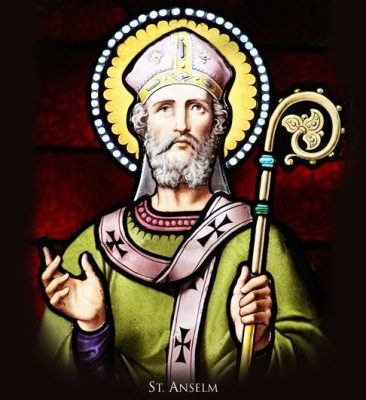
St. Anselm
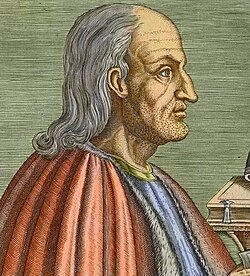
St. Anselm teaches that praise of God yields the fruit of righteousness. This praise should not depend on “prosperity” or “adversity” but should be a continual thanksgiving. This Church Father insight is the foundation of the Liturgy, where we “bless the Lord at all times”. In the Mystical Body, we recognize that our “high dignity” comes from being raised by His bounty. This is perfected in the Eucharist, the “Banquet” where we “praise Him rightly” with no eager desire that hasn’t been inspired by wanting to praise God.

Anselm warns that if we only praise God in prosperity, we “aren’t loving Him,” but seeking some good other than God Himself. True praise seeks nothing from Him but Himself. He reminds us that we were “raised out of clay” to the dignity of God’s servant, and our task is diligent praise.
“You were created for the glory of your Creator… diligent in his praises, you might always move closer to him by the merit of righteousness in this life.”
— St. Anselm
Mary and the Magisterium
Mary’s Magnificat is the perfect “canticle of praise”. She is the “Mirror of Virtue” who “continually examined her face” in Christ. The Magisterium, through the Bishop, “leads the multitude” in this “holy sacrifice” of praise. The Bishop ensures the “glory and honor of His Name” is the focus of the Liturgical assembly. Mary, as the “Mirror without tarnish,” shows us how to praise God with our whole heart.

- Does my praise of God stop when I face "adversity"?
- Am I praising Him for His "incalculable benefits" or only when I feel good?
Closing Prayer
You’re worthy, O Lord, to receive glory and honor and power, because you’ve created all things.
Amen.