Why Jesus Called Mary “Woman” at the Wedding at Cana: Visionary Insights from Anne Catherine Emmerich
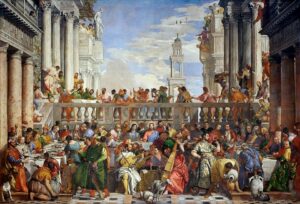
The Second Luminous Mystery of the Rosary—The Wedding at Cana—presents one of the most intriguing exchanges in the Gospels. When the wine ran out during the wedding feast, Mary brought the matter to her Son, and Jesus responded: “Woman, what is that to me and to you? my hour has not yet come” (John 2:4).
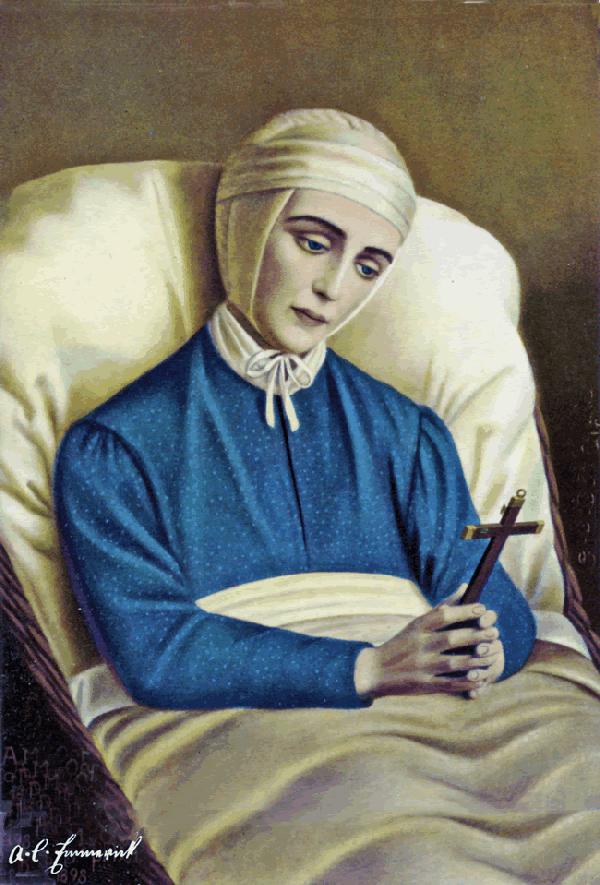
To modern ears, addressing one’s mother as “Woman” can sound distant or abrupt. However, the private revelations of Blessed Anne Catherine Emmerich reveal the profound theological dignity, divine power, and Marian symbolism hidden within this title.
1. The Quiet Intercession of Mary
At the wedding in Cana, over one hundred relatives and friends gathered for the celebration. Jesus had personally engaged to supply the wine for the feast, which is why Mary attentively monitored the banquet and privately reminded Him when the wine failed.
While Mary spoke her reminder to Jesus in a low, quiet tone, Jesus’ response was given in a loud voice so that all present could hear. He declared: “Woman, do not be anxious! Do not trouble yourself and Me! My hour has not yet come“.
2. Divine Power, Not Harshness
Emmerich’s vision clarifies that Jesus’ use of the word “Woman” was not uttered in harshness or disrespect toward His Blessed Mother.
Instead, Jesus addressed her as “Woman” rather than “Mother” because He was acting at that moment in His full authority as the Messiah and the Incarnate Word. In performing a divine miracle in the presence of His disciples and relatives, He was demonstrating His identity as the Son of God, rather than merely acting as the Son of Mary.
Whenever Christ performed a sacred action as the Word Incarnate, He ennobled those participating by bestowing the title that best responded to their designated role in Salvation History, shedding rays of His divine holiness upon them.
3. Mary as Mediatrix and the Connection to Calvary
Calling Mary “Woman” elevated her to her universal role in God’s redemptive plan:
- Creator and Creature: Mary was the “Woman” who had brought forth the Redeemer according to the flesh, and now she invoked Him in His authority as her Creator.
- The Role of Mediatrix: In bringing the plight of the wedding guests before her Son, Mary officially began her ongoing role as Mediatrix for humanity.
- Linking Cana to Golgotha: This title directly connects the miracle at Cana to the Crucifixion. Later, while dying upon the Cross, Jesus again addressed His weeping Mother as “Woman” when entrusting her to St. John: “Woman, behold your son!“.
4. The Threefold Meaning of “My Hour Has Not Yet Come”
According to Emmerich, Christ’s statement—”My hour has not yet come“—contained three distinct spiritual meanings:
- The hour for supplying the promised wine for the wedding banquet.
- The hour for changing water into wine at that moment.
- The hour for changing wine into His own Blood at the Last Supper and on Calvary.
Despite His statement, Mary maintained complete confidence in her Son’s power. Turning to the servants, she gave her immortal command: “Do all that He tells you“.
5. Devotional Reflection: Praying for Fidelity
In the devotional method of St. Louis de Montfort, the Second Luminous Mystery is offered to petition for the gift of Fidelity:
“We offer You, O Lord Jesus, this second decade in honor of the Wedding Feast, and we ask of You, through this mystery and through Mary’s intercession, the gift of fidelity. Amen.“
Contemplating the miracle at Cana inspires believers to place unwavering trust in Mary’s intercession and to remain faithful to whatever Christ commands.

The Wedding at Cana