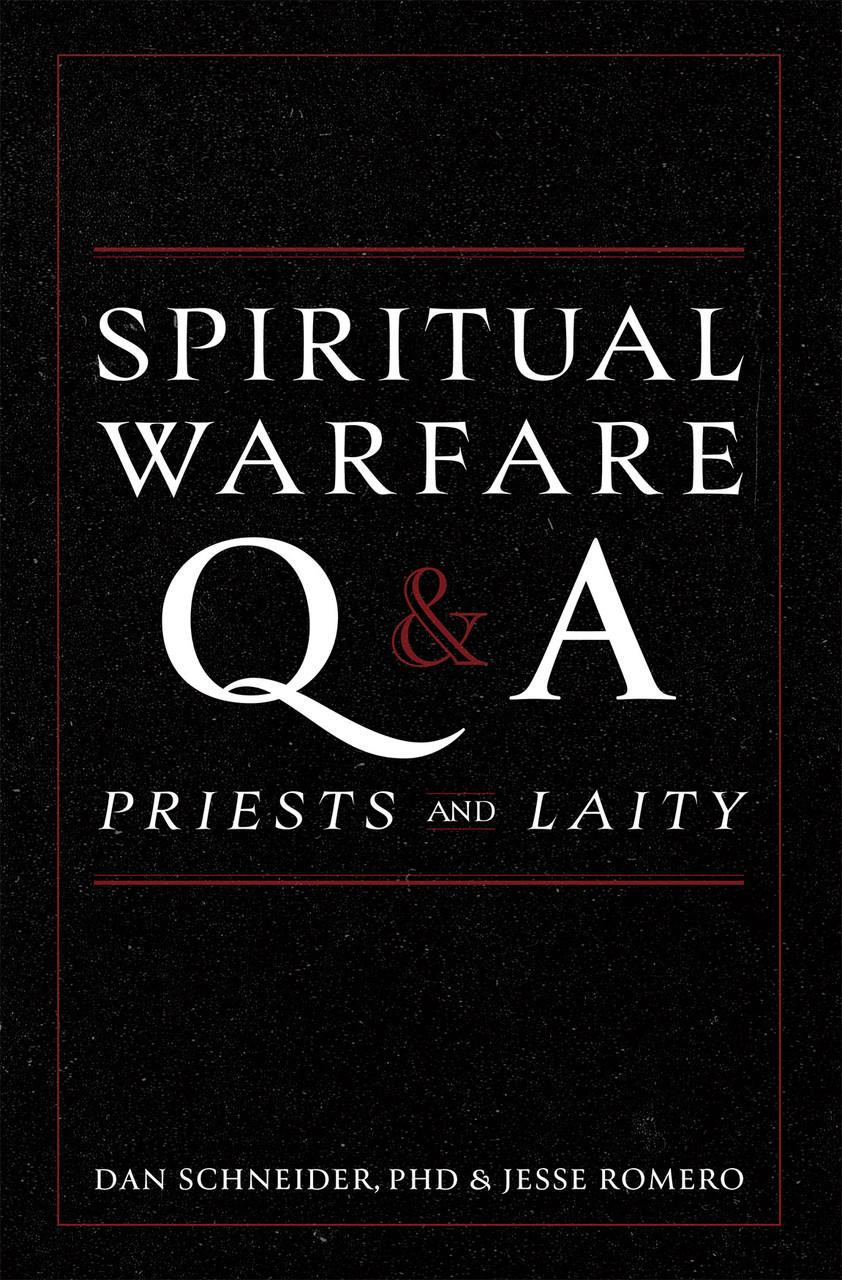

Impurity is Hell’s widest gate. Conquer sexual sin and impurity with this guide, drawing on the wisdom of St. Alphonsus Liguori, traditional Catholic teaching, and first-hand exorcism expertise.
Impurity: Hell’s Widest Gate
Perhaps nothing so blinds the intellect and weakens the will than sexual sin. Saint Alphonsus Liguori refers to impurity (sexual sins) as “hell’s widest gate” because, he says, “it is by this gate that the greater number of the damned enter.” That being said, praise God that you recognize the sin in your life because it is the grace of God opening your eyes.
As a reminder of the severity of this vice and how wide is this gate to hell, Saint Alphonsus gives stark counsel: “Beware, brother, if you do not be converted now, you may never be converted.”
If you are married, know that while you are engaging in impure thoughts and acts, the enemy is using this to get his hoofs inside your family. He wants to neutralize you and then divide you and your spouse so that he can ultimately reach his main target, your children. So, if you will not fight this for your own soul, do it for your spouse and your children.
The Power of the Sacraments
The primary and ordinary means of obtaining grace are the sacraments, which means you need go to confession weekly and attend Holy Mass daily if possible. This will strengthen you in developing the virtues requisite for this combat. Both virtues and vices are repeated acts. The enemy knows that we are creatures of habit by nature, and he seeks to habituate our behavior by projecting images into our imagination. Father Hardon breaks down sexual desire into three basic types:
Normally they are directed to sexual union between men and women, and to the intimate acts that are the natural preliminaries to such union. Nevertheless, the impulses may also be directed elsewhere: to oneself for the solitary enjoyment of venereal pleasure which is commonly called masturbation; to another person of the same sex which is homosexuality; or to any of a multitude of approximations or combinations of the three prototypes.
Vices and Virtues to Conquer Them
The Catechism refers to vices as “perverse inclinations” which “cloud conscience and corrupt the concrete judgment of good and evil” (CCC 457). The seven principal vices are pride, avarice, envy, anger, lust, gluttony, and sloth (or acedia). These must be militated against with corresponding virtues.
Pride – Humility
Avarice – Charity
Envy – Compassion
Anger – Meekness
Lust – Purity
Gluttony – Temperance
Sloth/Acedia – Zeal
This means you must eradicate a bad habit by replacing it with a good habit—specifically here, purity—while also avoiding the near occasion of sin. Perverse inclinations are also militated against through bodily fasting and a disciplined life.
Do I Need to Confess Temptations?
Confessing the temptation is therefore necessary, with the caveat that temptation itself is not a sin but becomes sinful once the mind appropriates (or accepts) the temptation. This is a very fine line, so it is a good practice to confess these evil thoughts.
Addiction and Habits
In the case of habitual lust, there is a psychological obsession which can open the door to spiritual oppression. The bodily sensation combined with the emotional and neurological release in pornography embeds images into the imagination and creates a process addiction to the release of endorphins in the brain (not unlike a gambling addiction).
Once the door to the soul’s interiority is opened, the demon will be attracted in a symbiotic way to the wounded interiority. He now manipulates the person through a barrage of images and emotions.
The Spiritual Side Effects
Often, however, lust and the carnal sins are the most evident but not necessarily the most operant. For as Jesus warns us, “Whoever looks at a woman in lust has already committed adultery in his heart” (Mt 5:28).
Note also the second example of interior sins that Jesus uses in the same section of Matthew (Mt 5:21–30) as it shows the other side of the lust coin: “Whoever is angry with his brother will be liable to judgment . . . whoever calls his brother, ‘fool’ . . . to fiery Gehenna.”
The person battling lust often reports also struggling with anger and the sin of detraction. Do not, therefore, focus only on lust, the carnal, but also look to the spiritual defects of anger or pride, which drive sinful speech.
Recommendations
Something seemingly unrelated to the carnal vice may be at work. Thus, we have found it also helpful to do a novena to Our Lady of Sorrows, asking her to reveal any sins, spirits, or vices that may be plaguing a person or family. Often, we focus on lust and anger, like the “whack-a-mole” game, to little effect because a much deeper vice is at root.
Once that spirit is identified, the person(s) can begin militating against that spirit and the surface, carnal spirts begin to lose their strength. It is also good to do a general confession, going back as far as you can remember, so as to root out any unconfessed mortal sins and identify the root cause or wound which keeps feeding the demon of lust. An experienced confessor should be able to coach you through how to make this type of confession.
ooo
This article is taken from a chapter in Spiritual Warfare Q&A by Dr. Dan Schneider and Jesse Romero which is available from TAN Books.