
This excerpt from Liber Christo Method explores how angels and demons interact with human emotions and spiritual defects, particularly emphasizing how clusters of demons exploit areas of vice and vulnerability. It highlights the “orphan spirit” and the spirits associated with pride, guilt, shame, and rejection, showing how these defects create openings for diabolic influence. The text emphasizes that growth in holiness, humility, and alignment with God diminishes these vulnerabilities and strengthens spiritual resilience.
Angels, Emotions, and Clusters of Evil Spirits
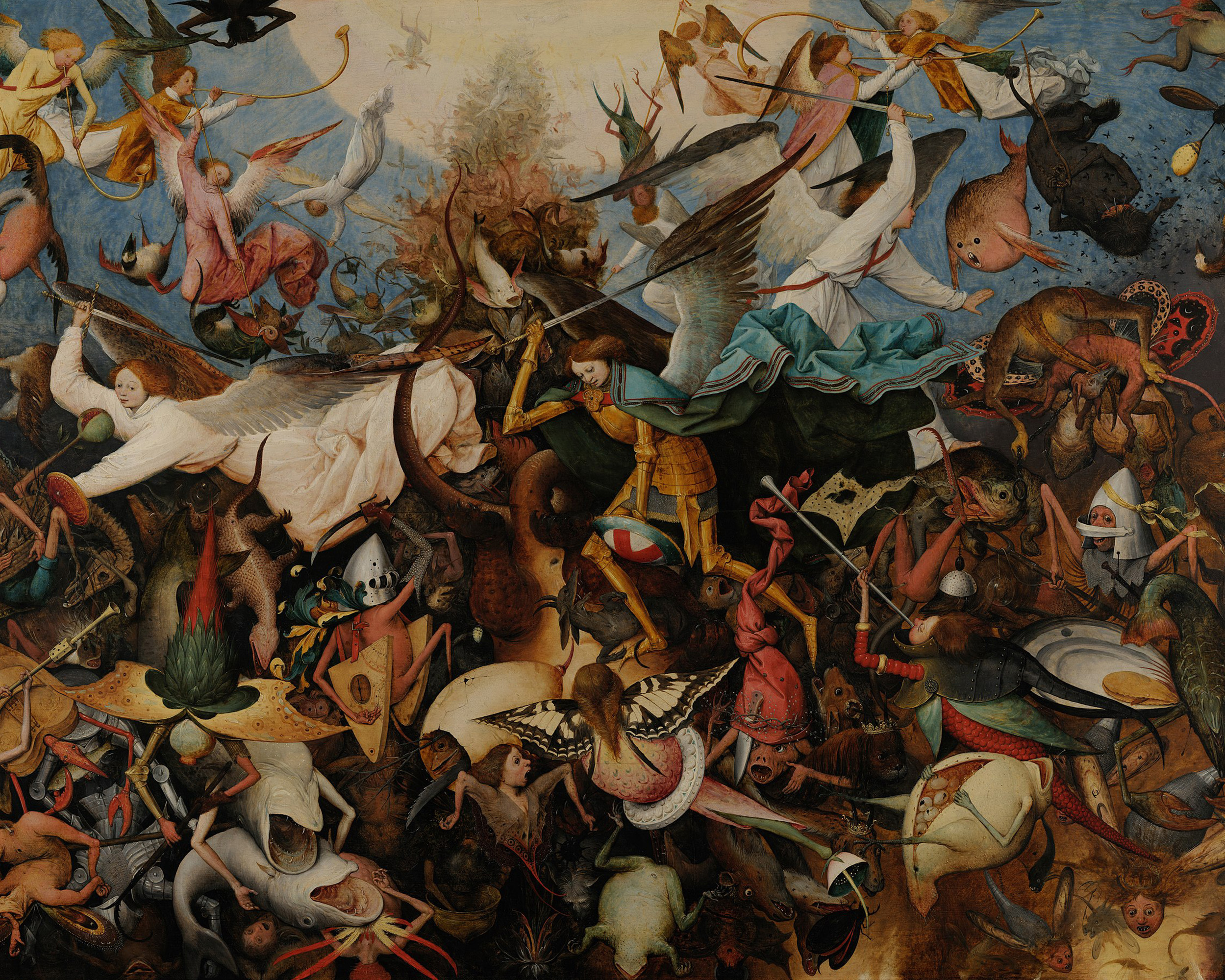
Your ranger buddy, your guardian angel, is only one type of angel; there are myriads of types of angels with various missions working within their specific order and choir. Exorcists and theologians have long wrestled with how to categorize angels and demons. According to Saint Thomas, each angel (glorified or fallen) is unique—that is, each is his own species—which makes categorizing demons a nearly impossible task. They do, however, “tend to work in clusters that hover around human emotions, particularly where vice is present.” For purposes here, note how a principal defect brings with it other concomitant vices and spirits. These, in turn, create vulnerabilities which attract certain demons.
In this section, we begin with the principle that angels go where they are asked, and demons go where they are not resisted. Thus, the demons work in clusters which build upon human weaknesses, especially where no resistance is given. Note how the defects in human formation attract evil spirits working within these groupings, as if like unto like. Herein lies what is referred to as a symbiotic attraction between the wounded human and fallen angel, and therefore, the need to identify areas of psychological compatibility is key to liberation. Thus, the more you repair the defect in formation, the more you grow in holiness—and the less the demon can influence you. Rather than an overly rigid schema of classification of angels and demons, I suggested elsewhere that it is better to see these clusters of spirits as in a “paint wheel” which organizes paint colors within “similar hues.” This section contains abbreviated versions Father Ripperger’s book of minor exorcism and is what exorcists use “to determine the sin, vice or spirit involved” when dealing with cases of extraordinary diabolic affliction. What follows are the most common, but you will find a full list in appendix C. As you read through these, ask your ranger buddy to identify the ones that you need to work on.
The Orphan Spirit
A common defect in many Christians today that exposes a soul to diabolic influences stems from what is referred to as an orphan lifestyle. This spirit exploits the lack of relationship with God the Father. The orphan spirit usually finds its root in an independent or counter-dependent lifestyle based on a lack of the experience of true divine filiation (that of one’s true identity as a beloved son or daughter of God). This sense of fatherlessness and/or motherlessness can lead to a lack of true identity (i.e., a sense of “nowhere to call home”). This spirit manifests itself in an inability to share negative feelings with others, overcompensating, depression, a general dissatisfaction, and a restlessness or unsettledness. Other manifestations include inconsistency, rebellion, isolation, disconnectedness, shrinking back, powerlessness, comparing, impatience, disordered comforting of oneself through food, drink, or busyness, searching, false self-image, and a lacking belief of a true inheritance with God.
If this describes your situation, you should confess any sins related to these spirits and wounds and also renounce the traumas, curses, and sins of the orphan lifestyle of your father or mother, and ancestors. You should also seek God the Father’s blessings, to include the blessing of being found and connected to the Father with the awareness of deep belonging, of knowing our true identity as a beloved son or daughter of God, of being accompanied, seen, and known, of calm, purpose, and of being deeply satisfied and of the sense of family and confident of my inheritance of God, a heavenly home.
Pride and the Self: Spirits of Guilt, Shame, and Rejection
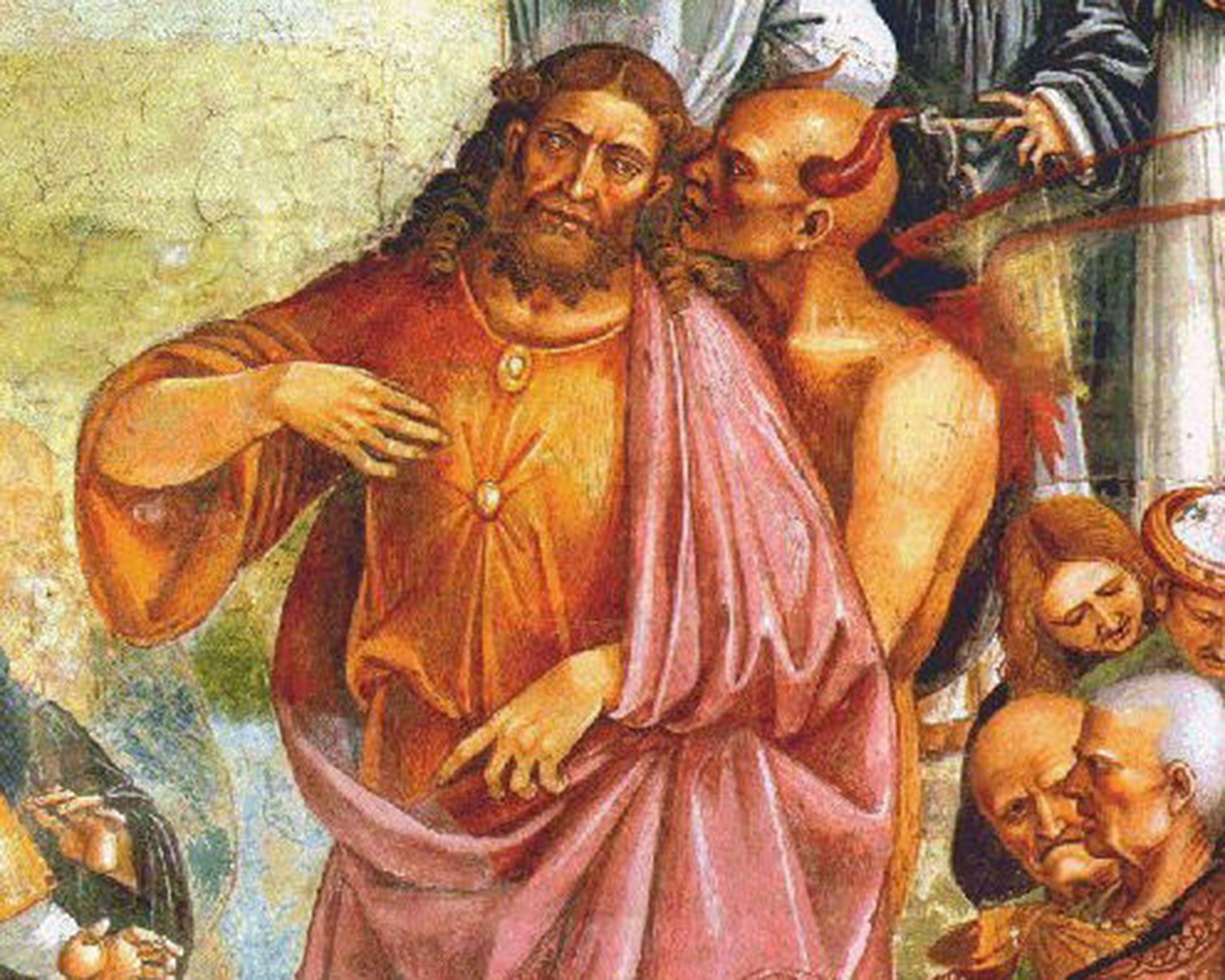
Guilt is the experience of remorse over having done something wrong. The more you focus on the past, ruminating over the memory of past wounds, the more demons can work in distorting your memory. There is a positive and a negative type of shame. Saint Thomas calls shame a virtue—that is, a positive interior movement. He refers to this virtue of shame as the physiological distress or physical discomfort at the perception of wrongdoing, either by someone else or more poignantly by yourself. The virtue of shame is, essentially, a prick of conscience at the realization that you have done something wrong. The prick of conscience can also lead to an unhealthy guilt where “the Accuser” (cf. Rv 12:10), the devil, distorts this virtue of shame through accusing and condemning by projecting a negative, self-condemnatory shame.
Common spirits which co-animate with this vice are narcissism, self-contempt, self-love, self-seeking behavior, self-destruction, self-abandonment, self-aggrandizement, self-assumed heavy burdens, and feeling unloved or unwanted. Of note here is that one must catch the subtleties of the emotions. Although these may be valid human emotions, when the self—and not Christ—becomes the center, then the demon can use them against you. He militates against your baptismal dignity as a child of God, beloved by the heavenly Father.
A negative shame can flow from pride. Saint Thomas Aquinas refers to pride as the first sin, the worst sin, and the source of all other sins. Thus, it is an “excessive desire for one’s own excellence” without any submission to God. This defect stems from a disordered esteem of oneself and is marked by a “willful disobedience that recoils against rightful authority.” In his rebellion, Satan desired his own greatness and excellence apart from God. Spirits that are attracted to pride include envy, bragging, haughtiness and arrogance, detraction, rebelliousness, perfectionism, rigidity, entitlement, machismo, egoism, distortion of truth, agitation, religiosity/spiritual superiority, intemperance, minimalization of sin, workaholism.
The orphan lifestyle can stem from deep feelings of rejection and a turning in on the self. Notably, a prideful response to an event often stems from a subjective response of rejection. The spiritual defect that first flows from pride is vanity, which can be seen as the disordered desire for the affirmation of creatures (or created things) over that of Creator. This seeking of the affirmation of others and not God is a subtle indicator of a lack of connection with God the Father, which precedes the rejection response. The demon heavily traffics in this area, and it leads to fear of people and their opinions, and human respect. This can lead to spirits of disordered love or compassion, self-assumed heavy, pious, or false burdens, an inability to receive or give love, shame, guilt, self-reliance and self-sufficiency, feeling accused, blaming/critical and impulsive. The primary antithesis to rejection, then, is humility and the bearing of unpleasant events with patience.
ooo
This article is taken from a chapter in The Liber Christo Method by Dan Schneider which is available from TAN Books.