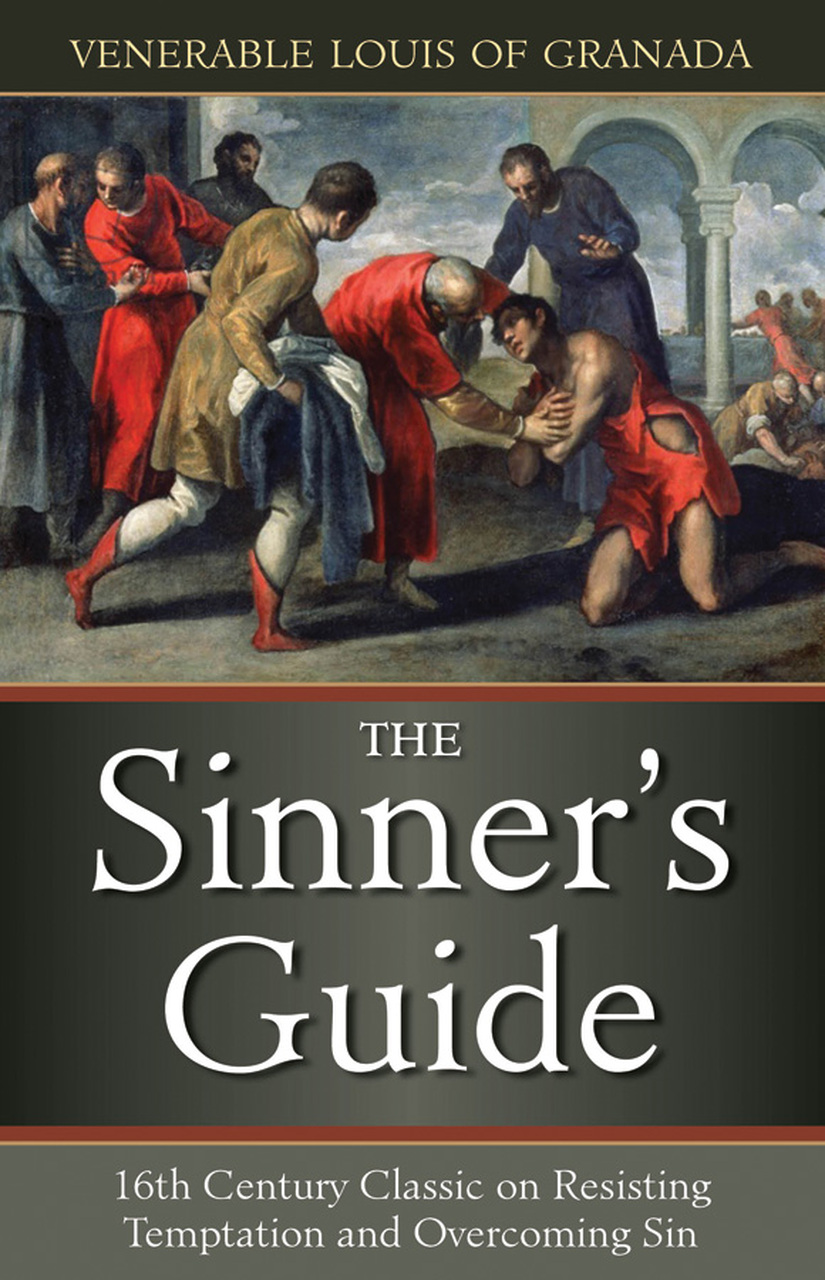

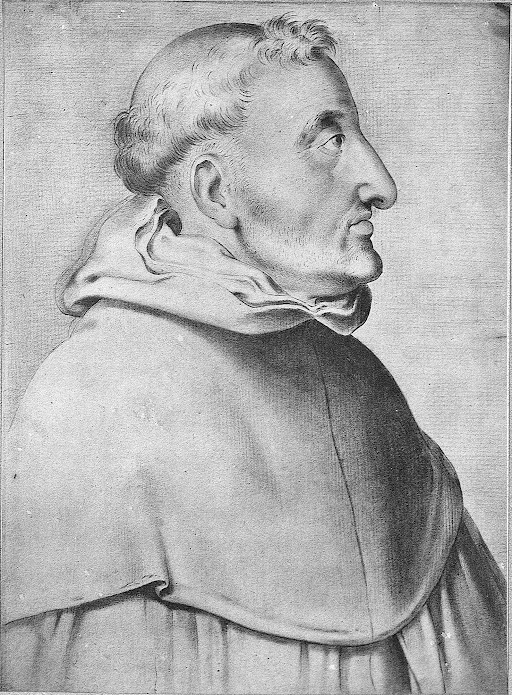
Are you a slave to your imagination? Break free from habitual sin and unholy thoughts with this guide from Venerable Louis of Granada’s The Sinner’s Guide.
What Is the Imagination?
The imagination, a less elevated power than the understanding, is of all the faculties the one in which the effects of original sin are most evident, and which is least under the control of reason.
Why Must It Be Controlled?
It continually escapes our vigilance, and like a restless child runs hither and thither, sometimes flying to the remotest corners of the world before we are aware of its ramblings. It seizes with avidity upon objects which allure it, persistently returning after we have withdrawn it from them.
If, therefore, instead of controlling this restless faculty, we treat it like a spoiled child, indulging all its caprices, we strengthen its evil tendencies, and in time of prayer we shall vainly seek to restrain it. Unaccustomed to pious objects, it will rebel against us.
How Do I Control My Imagination?
Knowing the dangerous propensities of this power, we should vigilantly guard it and cut off from it all unprofitable reflections. To do this effectually we must carefully examine the thoughts presented to our minds, that we may see which we shall admit and which we shall reject.
If we are careless in this respect, ideas and sentiments will penetrate our hearts and not only weaken devotion and diminish fervor, but destroy charity, which is the life of the soul.
We read in Holy Scripture that while his doorkeeper, who should have been cleansing wheat, fell asleep, assassins entered the house of Isboseth, son of Saul, and slew him. (Cf. 2 Kg. 4). A like fate will be ours if we permit sleep to overcome our judgment, which should be employed in separating the chaff from the grain—that is, good thoughts from evil thoughts.
While unprotected, bad desires, the assassins of the soul, in this manner are able to enter and rob us of the life of grace. But this vigilance not only serves to preserve the life of the soul, but most efficaciously promotes recollection in prayer; for as a wandering and uncontrolled imagination is a source of much trouble in prayer, so a subdued imagination accustomed to pious subjects sweetens our conversation with God.
What Is Understanding?
We have now come to the greatest and noblest of the faculties, the understanding, which raises man above all visible creatures, and in which he most resembles his Creator. The beauty of this power depends upon that rare virtue, prudence, which excels all others.
In the spiritual life prudence is to the soul what the eyes are to the body, what a pilot is to a vessel, what a head is to a commonwealth. For this reason the great St. Anthony, in a conference with several holy monks on the excellence of the virtues, gave the first place to prudence, which guides and controls all the others.
What Is the Most Important Virtue for the Mind?
Let him, therefore, who desires to practice the other virtues with profit earnestly endeavor to be guided by prudence in all things. Not limited to any special duty, it enters into the fulfillment of all duties, into the practice of all virtues, and preserves order and harmony among them.
Having the foundation of faith and charity, it first belongs to prudence to direct all our actions to God, who is our last end. As selflove, according to a holy writer, seeks self in all things, even the holiest, prudence is ever ready to examine what are the motives of our actions, whether we have God or self as the end of what we do.
What Are the Effects of Prudence?
1. It shapes your relationships.
Prudence also guides us in our intercourse with our neighbor, that we may afford him edification and not give him scandal. To this end it teaches us to observe the condition and character of those about us, that we may more wisely benefit them, patiently bearing with their failings and closing our eyes to infirmities which we cannot cure.
“A wise man,” says Aristotle, “should not expect the same degree of certainty in all things, for some are more susceptible of proof than others. Nor should he expect the same degree of perfection in all creatures, for some are capable of a perfection which is impossible in others. Whoever, therefore, would force all lives to the same standard of virtue would do more harm than good.”
2. It helps you know yourself.
Prudence also teaches us to know ourselves, our inclinations, our failings, and our evil tendencies, that we may not presume upon our strength, but recognizing our enemies, perseveringly combat them.
It is this virtue also which enables us wisely to govern the tongue by the rules which we have already given, teaching us when to be silent and when to speak. Prudence likewise guards us against the error of opening our minds to all whom we may meet, or of making confidants of others without due reflection.
By putting a just restraint upon our words, it saves us from too freely expressing our opinion and thereby committing many faults. Thus we are kept constantly reminded of the words of Solomon: “A fool uttereth all his mind; a wise man deferreth and keepeth it till afterwards.” (Prov. 29:11).
3. It prepares you for spiritual and earthly dangers.
Prudence also forearms us against dangers, and strengthens us by prayer and meditation to meet all the accidents of life. This is the advice of the sacred writer: “Before sickness take a medicine.” (Ecclus. 18:20).
Whenever, therefore, you expect to participate in entertainments, or to transact business with men who are easily angered, or to encounter any danger, endeavor to foresee the perils of the occasion and arm yourself against them.
4. It maintains moderation.
Prudence guides us in the treatment of our bodies, causing us to observe a just medium between excessive rigor and immoderate indulgence, so that we may neither unduly weaken the flesh nor so strengthen it that it will rule the spirit. It is also the duty of prudence to introduce moderation into all our works, even the holiest, and to preserve us from exhausting the spirit by indiscreet labor. We read in the rules of St. Francis that the spirit must rule our occupations, not be ruled by them. Our exterior labors should never cause us to lose sight of interior duties, nor should devotion to our neighbor make us forget what we owe to God. If the Apostles, who possessed such abundant grace, deemed it expedient to renounce the care of temporal things in order to devote themselves to the great work of preaching and other spiritual functions (cf. Acts 6:2-4), it is presumption in us to suppose that we have strength and virtue capable of undertaking many arduous labors at one time.
ooo
This article is taken from a chapter in The Sinner’s Guide by Venerable Louis of Granada which is available from TAN Books.