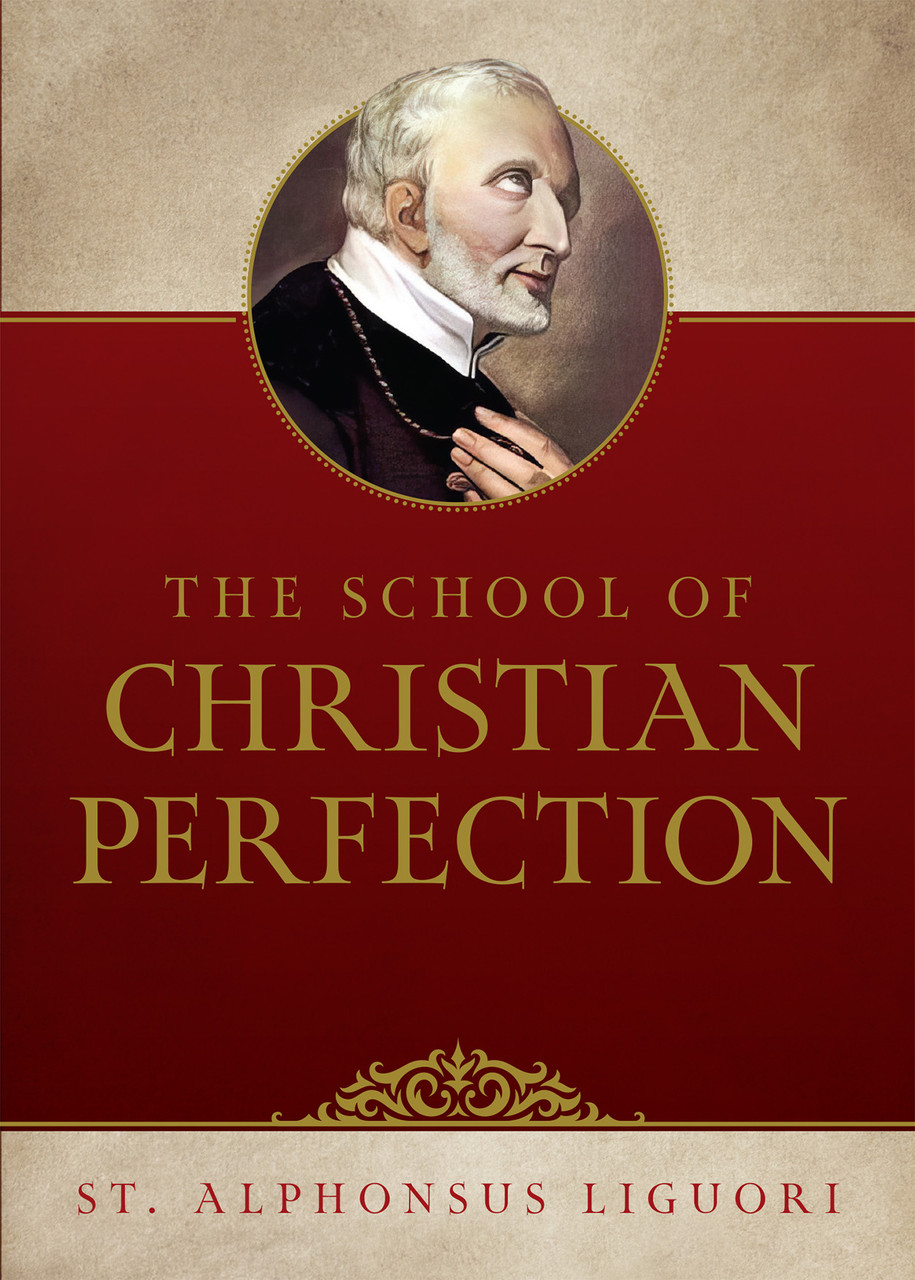


In The School of Christian Perfection, St. Alphonsus Liguori draws our hearts to the meekness of Christ — the Lamb of God — and calls us to imitate this virtue in all moments of life. True meekness, born of humility, pleases God greatly and is the spirit of saints.
The Meekness of Christ
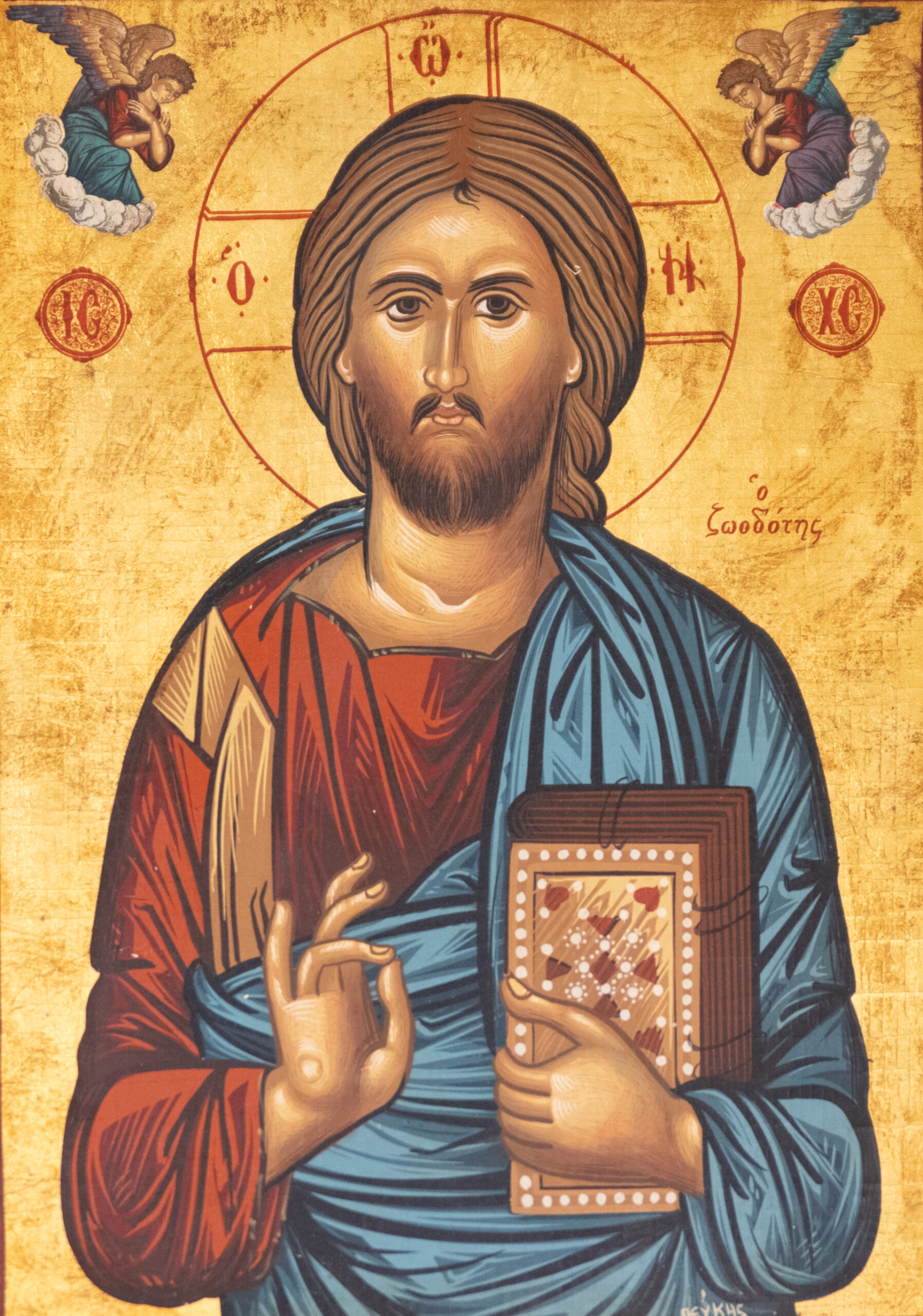
Humility and meekness were the favorite virtues of Jesus Christ, and He recommended them in a particular manner to His disciples when He said: “Learn of me, because I am meek, and humble of heart.” (Matt. 11:29). Our Divine Redeemer was called the “Lamb of God,” not only on account of the Sacrifice He was to make of Himself on the Cross in expiation for sin, but also on account of the meekness that characterized His whole life and particularly during His bitter Passion. When He was rudely buffeted by the servant of Caiphas and charged with a want of respect for the high priest, He meekly replied: “If I have spoken ill, give testimony thereof; but if well, why strikest thou me?” (John 18:23). When He hung upon the Cross and His enemies loaded Him with insults and ignominy, He turned to His heavenly Father and said: “Father, forgive them, for they know not what they do.” (Luke 23:34).
The Value of Meekness Before God
How dear to God are those meek souls who bear with all manner of offenses and indignities without giving way to anger! Their prayer is acceptable to God, says Holy Scripture (Jdth. 9:16); that is, it will always be heard. “Heaven,” says Father Alvarez, “is, in a particular manner, the home and country of those who on earth are despised and trampled under foot.” Indeed it is to these, and not to the proud who are honored and esteemed by the world, that the possession of the Kingdom of Heaven is promised. The Royal Psalmist assures us that the meek will not only possess happiness in the life to come, but even in this life: “They shall delight in abundance of peace.” (Ps. 36:11).
The Saints on Holy Meekness
St. Teresa says that she seemed to experience a more than ordinary love for those who spoke ill of her. In the acts of Canonization we read that by injuries one could obtain her love in an especial degree. To such meekness we can never attain without deep humility, a humble opinion of ourselves, and a desire to be treated with contempt. Pride is angry and vindictive because of the high opinion we have of ourselves and the craving for honors that we think we deserve.
The spirit of God is a spirit of meekness. “My spirit is sweet as honey.” (Ecclus. 24:27). St. Francis de Sales, a master and model of holy meekness, says: “Humble meekness is the virtue of virtues, which our Divine Redeemer has most urgently recommended to us; therefore we must practice it everywhere and at all times.” Meekness must be exercised especially towards
the poor and the sick; towards the poor because, on account of their poverty, they are often harshly treated; towards the sick because they suffer so much and are often left without assistance. Superiors should act with meekness towards their subjects, and when giving an order, they should ask rather than command. St. Vincent de Paul says that superiors have no better means of winning the affection and obedience of their subjects than by meekness.
A Living Example: St. Francis de Sales
This was also the opinion of St. Jane Chantal. “I have tried all kinds of treatment,” she says; “the mild and patient is the best.” “Nothing is so edifying,” says St. Francis de Sales, “as amiable meekness.” On the lips of this servant of God there hovered a continual smile. His countenance, his conversation, his whole being breathed meekness. St. Vincent de Paul declared that he had never known a meeker man than the Bishop of Geneva. He saw in him a living copy of the goodness and kindness of Jesus Christ. Even when, not to burden his conscience, he had to refuse a request, he couched his refusal in such gentleness and love as to win the cheerful assent of the petitioner; and in spite of a refusal, the latter went away contented. He was meek towards everyone, his superiors, his equals and his inferiors; towards the members of his household and towards strangers. He never complained about his servants; seldom did he reprove them, and then always with gentleness. What a contrast between this saint and those who, according to St. Francis’ own words, “seem to be angels abroad and devils at home.”
ooo
This article is taken from a chapter in The School of Christian Perfection by Saint Alphonsus Liguori which is available from TAN Books.