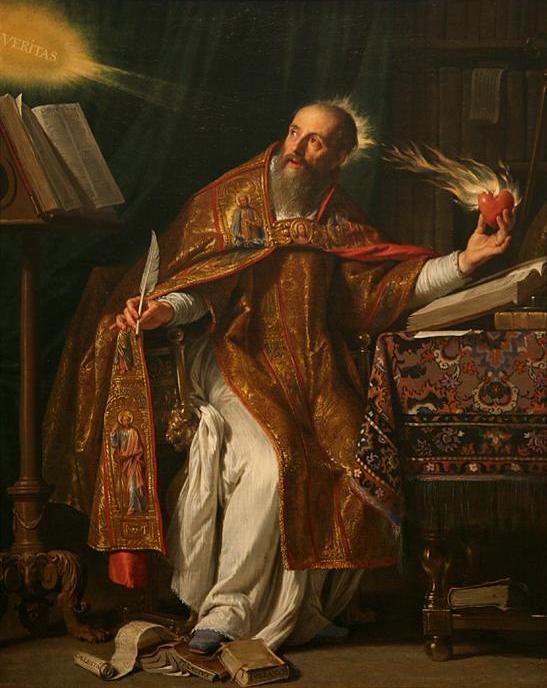
What is the proper end of earthly things? Some things are for our use, others for our enjoyment. Read St. Augustine’s counsel on this topic.
Some Things are for Use, Some for Enjoyment
There are some things, then, which are to be enjoyed, others which are to be used, others still which enjoy and use. Those things which are objects of enjoyment make us happy. Those things which are objects of use assist, and (so to speak) support us in our efforts after happiness, so that we can attain the things that make us happy and rest in them. We ourselves, again, who enjoy and use these things, being placed among both kinds of objects, if we set ourselves to enjoy those which we ought to use, are hindered in our course, and sometimes even led away from it; so that, getting entangled in the love of lower gratifications, we lag behind in, or even altogether turn back from, the pursuit of the real and proper objects of enjoyment.
Difference of Use and Enjoyment
For to enjoy a thing is to rest with satisfaction in it for its own sake. To use, on the other hand, is to employ whatever means are at one’s disposal to obtain what one desires, if it is a proper object of desire; for an unlawful use ought rather to be called an abuse. Suppose, then, we were wanderers in a strange country, and could not live happily away from our fatherland, and that we felt wretched in our wandering, and wishing to put an end to our misery, determined to return home.
We find, however, that we must make use of some mode of conveyance, either by land or water, in order to reach that fatherland where our enjoyment is to commence. But the beauty of the country through which we pass, and the very pleasure of the motion, charm our hearts, and turning these things which we ought to use into objects of enjoyment, we become unwilling to hasten the end of our journey; and becoming engrossed in a factitious delight, our thoughts are diverted from that home whose delights would make us truly happy.
Such is a picture of our condition in this life of mortality. We have wandered far from God; and if we wish to return to our Father’s home, this world must be used, not enjoyed, that so the invisible things of God may be clearly seen, being understood by the things that are made—that is, that by means of what is material and temporary we may lay hold upon that which is spiritual and eternal.
ooo
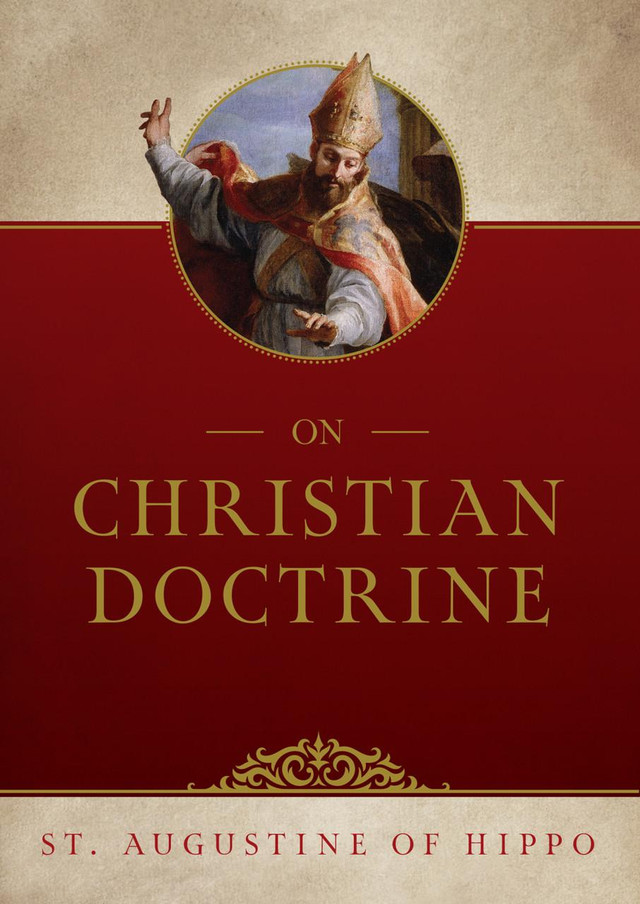
This article is taken from a chapter in On Christian Doctrine by St. Augustine of Hippo which is available from TAN Books.