A Guide to the Traditional Structure of Rosary Prayers: Step-by-Step for Daily Practice
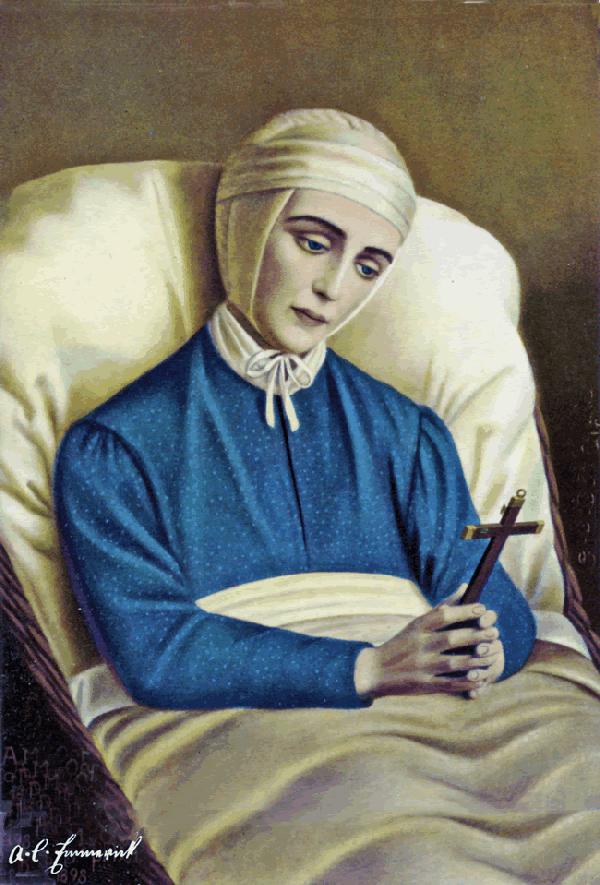
While the private visions of Blessed Anne Catherine Emmerich provide rich meditations for contemplation, the Rosary itself rests upon a timeless, structured framework of vocal prayers. Understanding the traditional sequence of prayers and mysteries allows the faithful to navigate each decade smoothly, establishing a peaceful rhythm for interior reflection.
Whether you are learning the Rosary for the first time or looking to refine your daily devotional routine, here is a complete step-by-step guide to its traditional order and structure.
1. The Opening Prayers
The Rosary begins on the crucifix and the introductory beads, establishing our faith and intentions before entering into the decades:
- Sign of the Cross & Apostles’ Creed: Holding the crucifix, make the Sign of the Cross and recite the Apostles’ Creed, expressing belief in God the Father Almighty, Jesus Christ His only Son, and the Holy Catholic Church.
- The Our Father: On the first large bead, pray the Our Father for the intentions of the Holy Father.
- Three Hail Marys: On the next three small beads, recite three Hail Marys to petition for an increase in the theological virtues of Faith, Hope, and Charity.
- Glory Be: On the chain before the first decade, pray the Glory Be.
2. The Structure of the Five Decades
The core of the Rosary consists of five decades, each dedicated to a specific event in the life of Christ and Our Lady. For each decade, the following sequence is observed:
- Announce the Mystery: State the mystery being contemplated (e.g., “The First Joyful Mystery: The Annunciation“).
- The Our Father: Pray one Our Father on the large bead or spacer.
- Ten Hail Marys: Pray ten Hail Marys on the ten decade beads while holding the scene in your mind.
- Glory Be: Recite the Glory Be at the conclusion of the decade.
- The O My Jesus (Fatima Prayer): Recite the prayer given by Our Lady of Fatima: “O my Jesus, forgive us our sins, save us from the fires of Hell, lead all souls to Heaven, especially those who are in most need of Thy mercy.“.
This pattern repeats across all five mysteries of the day.
3. The Weekly Schedule of Mysteries
To cover the full scope of Salvation History throughout the week, the mysteries are traditionally assigned to specific days:
- Joyful Mysteries: Prayed on Mondays and Saturdays, as well as Sundays from the First Sunday of Advent through the Baptism of the Lord.
- Luminous Mysteries: Prayed on Thursdays.
- Sorrowful Mysteries: Prayed on Tuesdays and Fridays, as well as Sundays during Lent.
- Glorious Mysteries: Prayed on Wednesdays and Sundays in Ordinary Time.
4. Concluding the Rosary
After completing the fifth decade, the Rosary concludes with a final prayer honoring the Blessed Mother:
- Hail, Holy Queen (Salve Regina): Recite the Hail, Holy Queen, petitioning Our Lady as our advocate and mourning child in this valley of tears.
- Closing Versicle & Response: Conclude with:
- V. Pray for us, O holy Mother of God.
- R. That we may be made worthy of the promises of Christ.
- Sign of the Cross: Finish by making the Sign of the Cross.

Madonna of the Rosary

- When praying the Rosary aloud with family or a group, one person acts as the leader. The leader recites the first half of each prayer, and the congregation responds with the second half. The O My Jesus and the body of the Hail, Holy Queen are recited by everyone together in unison.