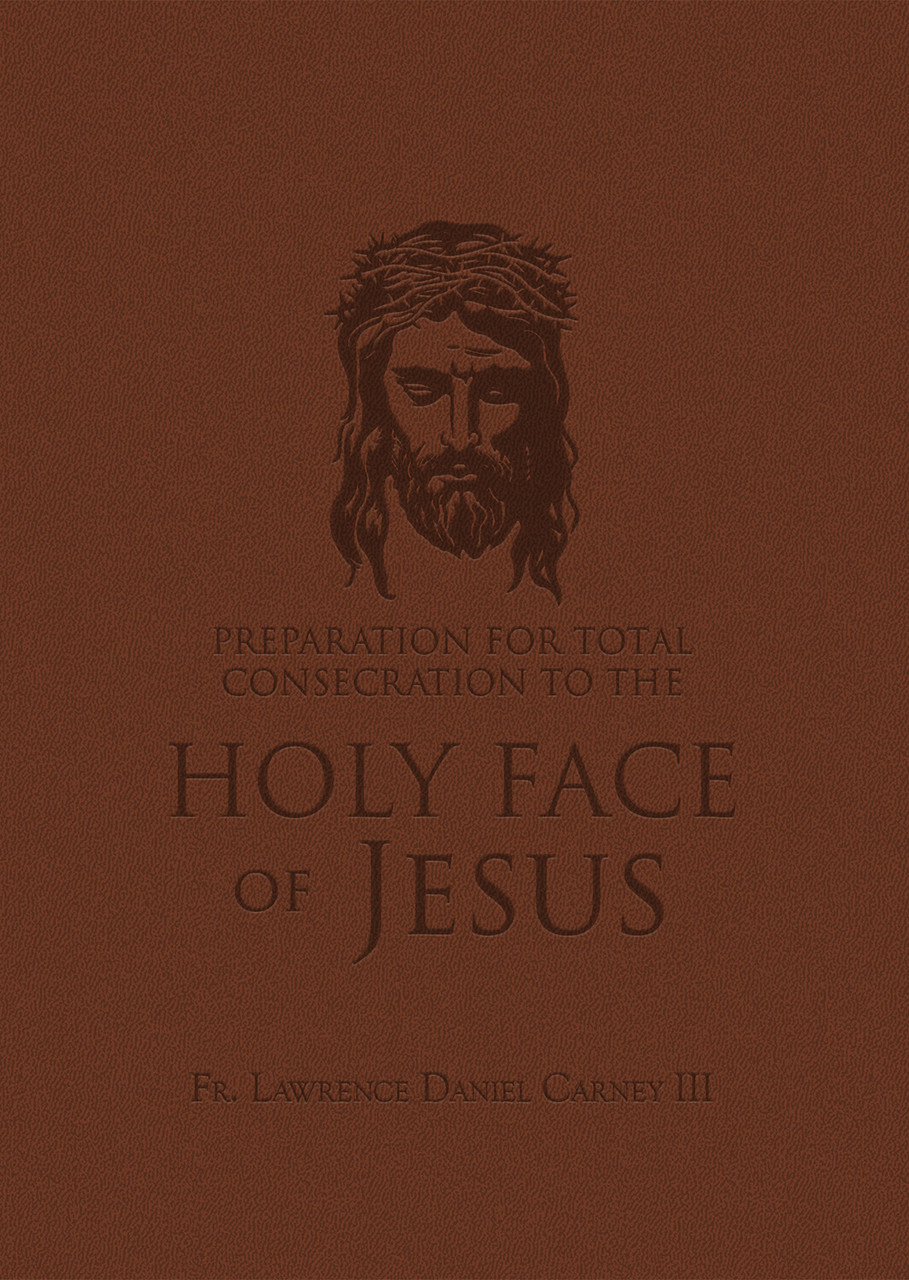
Pride is the mother of all sin. How do we discern it in ourselves and conquer it? Read this excerpt from Consecration to the Holy Face of Jesus by Fr. Lawrence Daniel Carney III.
What is the true nature of pride? Pride is the queen and mother of all sin, but lust is a sin of the passions. Saint Thomas mentions that it is less shameful and debasing but more grievous than sins of the flesh because it turns us more away from God. Clergy and religious tend toward pride more than sins of the flesh because temptations and circumstances of their state lead them down this path. The first sin of the first man was pride.
False humility is pernicious because it is a form of hidden pride more dangerous than that which displays itself and makes itself ridiculous. Pride hides itself all too well because it is opposed to not only humility but also magnanimity. It is all too easy to confuse another’s magnanimity with pride and mistake pusillanimity for true humility.
In a word, what is pride? It is an inordinate love of our own excellence. The proud man wishes to appear superior to what he really is. Pride focuses on one’s own merits and other’s insufficiencies; it is a perverse love of greatness; it is a bandage over one’s eyes and spirit and hinders in recognizing the majesty of God. It hinders one from asking God for help; thus God hides His truth from the proud.
What are some different forms of pride? Saint Bernard names a few: curiosity, levity of mind, misplaced joy, singularity, and dissimulation of one’s sin in confession. Some take pride in being born into a prominent family, wealth, physical qualities, and one’s piety. Intellectual pride leads some to reject traditional interpretations of dogma or reduce the value of them.
What are some defects born of pride? Presumption is the inordinate desire of doing what is above one’s power. Instead of living out his state in life, he speaks of apostolic zeal and magnanimity but fails in the duty of the little things.
Ambition is the wish to dominate others and govern them without adequate gifts. Vainglory means taking compliments without giving God honor. He is the source of all good. The only “thing” we can own is sin.
What is the remedy for pride? The remedy is to be like Saint Michael, who recognized the majesty due to God. His very name is reparation, “Who is like unto God?” So the remedy is to consider all others greater than oneself because of our hidden faults and others’ hidden virtues.
How does one know that he is whittling pride away? It is when he delights not in the praises of men but loves to be unknown and to be esteemed as nothing. “God sweetly reveals His secrets in others and draws him to Himself.” But pride cannot be taken away by ourselves: “There must be a passive purification by the light of the gifts of the Holy Ghost,” It is through adversity that we learn: “What doth he know, that hath not been tried?”
What is the nature of spiritual sloth? It is a voluntary repugnance to work and to effort. It is opposed to the love of God and joy which results in generosity in service.
Acedia is a form of pride because it is an idleness that stifles religious duties necessary for one’s sanctification. Spiritual sloth weighs down the soul and crushes it, making the tool of Christ unbearable and the reminder of its duties repulsive. It is not to be confused with passive purification, which is also a weight on the soul but makes the soul ready and strong. Rather, spiritual sloth welcomes distractions to put off the real spiritual work, which at times is arduous, in order to embrace laziness and escape. If this goes unchecked, it leads to spiritual anemia, where the world, flesh, and devil become awakened.
Beginners in the spiritual life, when God removes His consolation, find their spiritual occupations irksome. This is the very moment a good spiritual director or confessor is needed to coach them through the gap. Spiritual sloth is a mortal sin when one gives up religious duties necessary for salvation like giving up Mass on Sundays and not making confession when in mortal sin.
What is the cure for spiritual sloth? The sins of the flesh require the tactic of flight, but sloth requires attacking or resisting it. The first step is the hardest, but once it is taken, the second and third, and so on, get progressively easier. One who begins to always think of God not only develops the virtue but also has God answer his prayers. The suggestion is carpe diem, “seize the day.” Torpor can be resisted by some daily sacrifice to obtain vigor. When sensible devotion is lacking, make reparation for past offenses. Divide the day and make a spiritual rule of life to live by.
ooo
This article is taken from a chapter in Preparation for Total Consecration to the Holy Face of Jesus by Fr. Lawrence Daniel Carney III which is available from TAN Books.