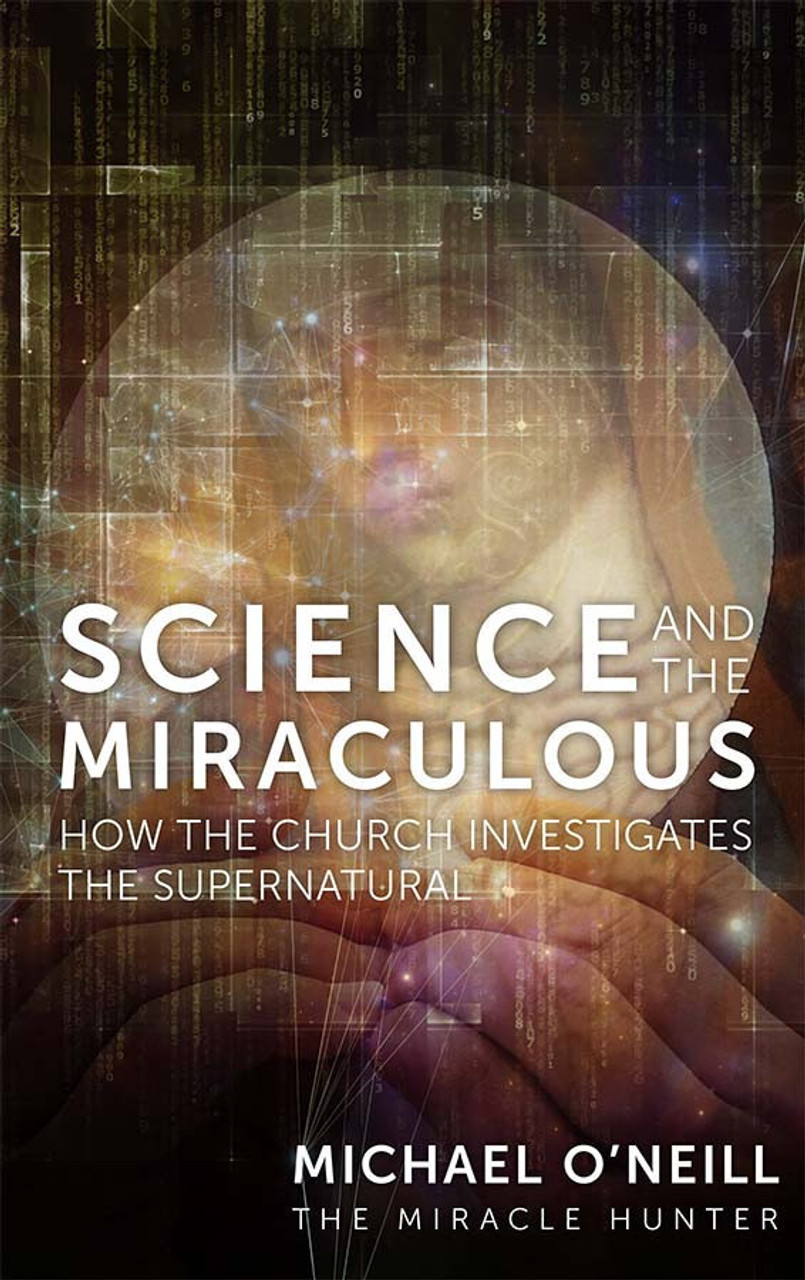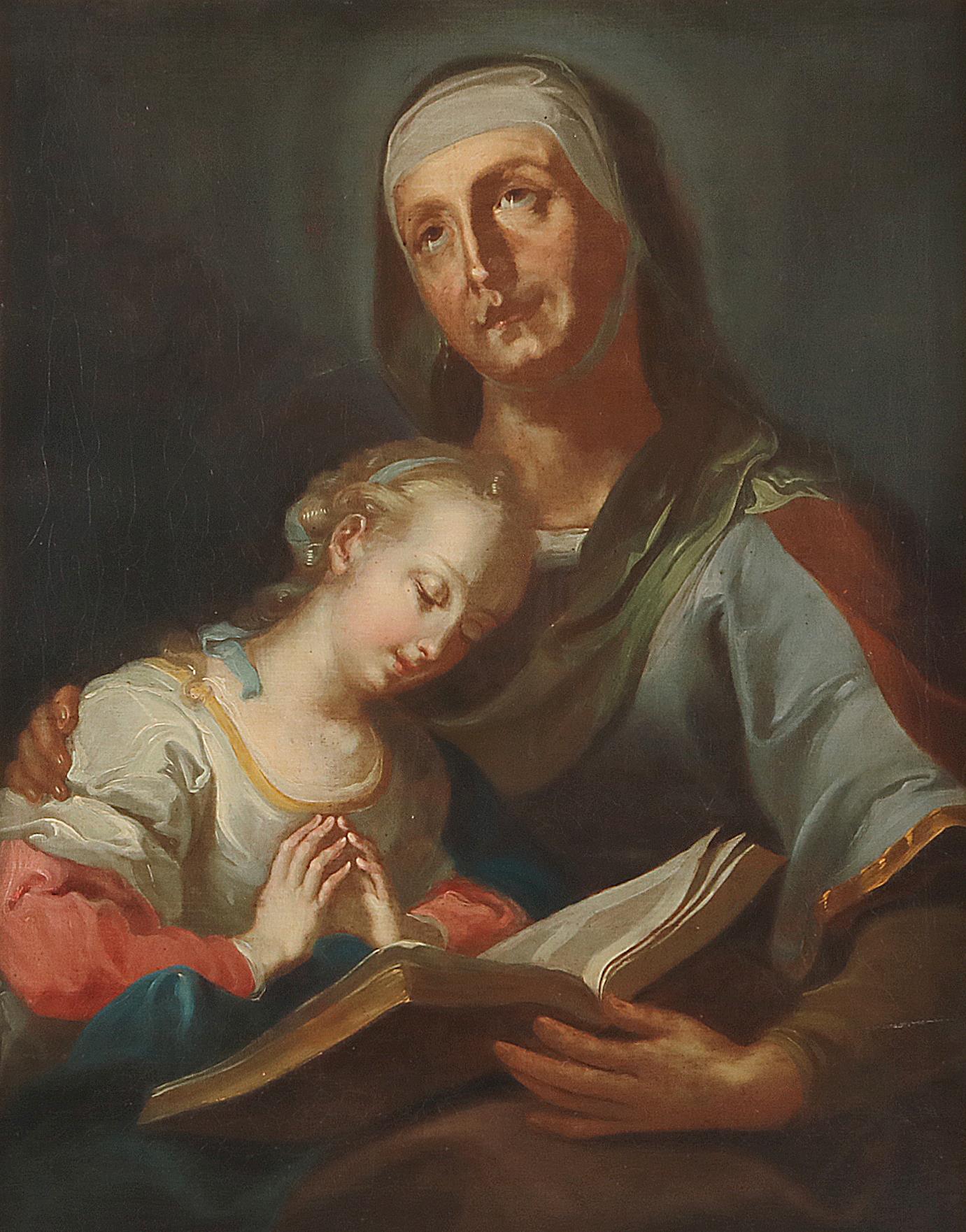
All over the world, statues and icons of the Blessed Mother have wept tears. Read a Church-approved account of miraculous weeping, told by the Miracle Hunter, Michael O’Neill.
Weeping statues are not often definitively approved as miraculous in modern times; more typically, even the more convincing cases are simply described as being without natural explanation.
A notable exception is that of the Weeping Madonna from Syracuse, Italy, in 1953, which enjoys the full recognition of the Catholic Church. This particular image is a mass-produced plaster plaque of the Immaculate Heart of Mary made in Tuscany by Amilcare Santini. It was given to Antonina and Angelo Iannuso on the occasion of their wedding on March 21, 1953. When they returned home, they hung the image on their bedroom wall.
Antonina soon became pregnant and was afflicted with severe toxemia that caused convulsions and vision problems. (She recovered completely and gave birth to a healthy son on December 25, 1953.)
On Saturday, August 29, 1953, at 3:00 a.m., Antonina was stricken with a seizure resulting in her blindness. When her sight returned five hours later, she looked upon the Madonna, which was actively weeping tears that dripped off the image and onto the bed.
The neighbors came in and confirmed the tears, which continued for four days. The image was removed from the wall to help rule out a leaky pipe, and tests showed that there was no internal reservoir. Even after the tears were wiped away, new ones immediately reappeared.
Crowds gathered in the streets around the house waiting for a chance to get inside to see the phenomena. They hung the plaque outside their house to avoid the crowds coming inside, and when the crowds still were too much of an infringement, it was taken to the police station. After forty minutes there, the tears dried up, and it was returned to the Iannusos’ house.
Early the next morning, the weeping image was placed on a cushion and displayed for those waiting in the streets all night. The following day, the plaque was nailed above the main door. The crowds collected the tears on pieces of cloth and swabs of cotton, with many claiming miraculous healings.
An investigative commission from the chancery was assembled with four scientists and three witnesses, who all arrived at the Iannuso home on Tuesday, September 1, to examine the prodigy.
They found no pores or irregularities on the smoothly painted and varnished surface of the artwork, and on the reverse side, the unfinished gypsum was found to be dry. They collected a sample of actively falling tears for analysis using a sterilized pipette, placing the liquid in an uncontaminated vial that was taken to the laboratory to be examined by doctors and chemists.
After this investigation, the plaque continued weeping for another fifty-one minutes, but at 11:40 a.m., the tears finally stopped completely. The sample of the tears was scientifically compared to tears from an adult and a child. The examining doctors reached this conclusion in their report signed and dated September 9, 1953: “The liquid examined is shown to be made up of a watery solution of sodium chloride in which traces of protein and nuclei of a silver composition of excretory substances of the quaternary type, the same as found in the human secretions used as a comparison during the analysis. The appearance, the alkalinity and the composition induce one to consider the liquid examined analogous to human tears.”
The tears had been seen, the soaked cloths touched, and the saltiness taste-tested by Catholic and non-Catholic witnesses in multiple locations, ruling out the possibility of mass delusion. Condensation was also eliminated as a possible cause, as neither the entire image nor any nearby objects were wet (only the corners of the eyes). To further stress the authenticity, the statue actively weeping was caught on film, the first time in history that such an event was recorded on camera. The archbishop of Syracuse visited the Iannuso home to examine the image and returned another day to recite the Rosary with the crowd, while the archbishop of Palermo, Ernesto Cardinal Ruffini, affirmed, “After careful sifting the numerous reports, after having noted the positive results of the diligent chemical analysis under which the tears gathered were examined, we have unanimously announced the judgment that the reality of the facts cannot be put in doubt.”
ooo
This article is taken from a chapter in Science and the Miraculous by Michael O’Neill which is available from TAN Books.