Opening Prayer
Eternal Father, we offer Thee the Blood and Passion of Jesus Christ and the immeasurable sorrows of Mary for the relief of the faithful departed. We invoke Mary’s maternal solicitude for the holy souls in Purgatory, those who are currently being purified in the fires of Divine Justice.
O Mother of Mercy, thou who art the “haven of the shipwrecked,” descend into the depths of that place of purging to comfort those who long for the vision of God. May thy presence be a mitigation of their temporal punishment and thy prayers an accelerated path to eternal refreshment. We commend especially those who have no one on earth to pray for them, that they may soon rejoice in the glory of thy Son.
Amen.

Lamentations 2:13
13Mem. To what shall I compare thee? or to what shall I liken thee, O daughter of Jerusalem? to what shall I equal thee, that I may comfort thee, O virgin daughter of Sion? for great as the sea is thy destruction: who shall heal thee?

St. Nicholas of Tolentino
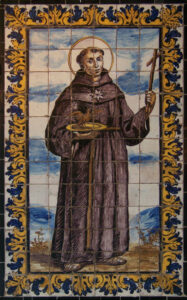
The intercession for the deceased is a providential duty of the living, a reality underscored by the patronage of St. Nicholas of Tolentino. Mary plays a central role in this economy of grace, acting as a bridge between the suffering Church in Purgatory and the triumphant Church in Heaven. Her sorrows are the currency that purchases relief for the souls who can no longer help themselves.

The account of Dominica Clara of the Holy Cross reveals the profound efficacy of this devotion. She recounts the salvation of a soul who was saved through the habit of praying seven Hail Marys in honor of Mary’s sorrows. This act of veneration produced “profound contrition” in the soul’s dying moments. Furthermore, the information imparted by this soul suggests that Mary’s visits to Purgatory cause the torments of the souls to cease entirely during the duration of her personal presence. This devotion acts as both a preservative against despair and a catalyst for final compunction.
“The Heavens are not pure in the sight of Him Whom I serve; how then shall I, a sinful man, stand before Him?”
— St. Nicholas of Tolentino
Mary and the Magisterium
The Church promotes the “Seven Promises” revealed to St. Bridget of Sweden, which include peace in families and defense in spiritual battles. The traditional belief that Mary’s presence in Purgatory mitigates suffering underscores the reader’s duty to the deceased: to use the Sorrows of Mary as a key to unlock the gates of their refreshment.

- Given the power of Mary’s intercession, how consistent is my practice of praying for the deceased members of my family and community?
- Do I rely on the protection of the Mother of Sorrows for my own "hour of death," or am I distracted by the "emptiness of worldly joys"?
Closing Prayer
Open the gates of eternal refreshment for the holy souls, O Lord, through the currency of the tears of Mary.
Amen.