
Opening Prayer
O Mother of Sorrows and Mother of Mercy, I come before thee acknowledging the profound poverty of my soul. I petition for the specific grace of a sincere purpose of amendment, that I may no longer increase the weight of the Cross through my relapses into sin, but rather offer thee a spirit of true compunction.
I cast myself into the refuge of thy maternal protection, trusting entirely in thy clemency. Thou who art the Refuge of Sinners, receive me graciously despite the number of my offenses, looking not upon the magnitude of my crimes but upon the disposition of the heart with which I turn to thee this day.
Amen.

Luke 1:48–50
48Because he hath regarded the humility of his handmaid; for behold from henceforth all generations shall call me blessed. 49Because he that is mighty, hath done great things to me; and holy is his name. 50And his mercy is from generation unto generations, to them that fear him.

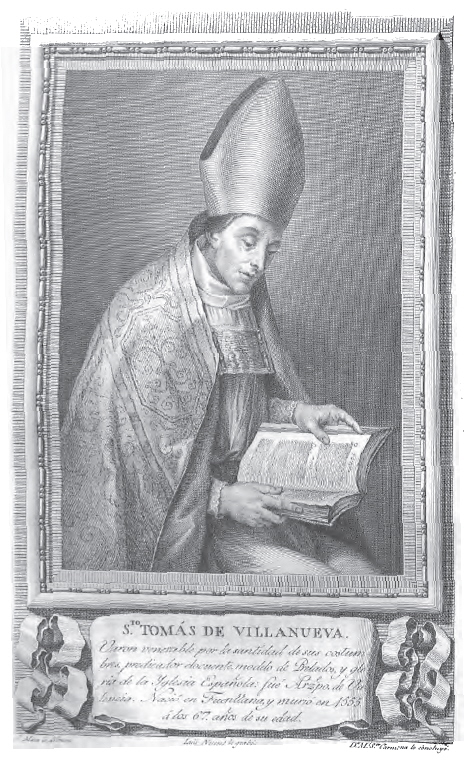
St. Thomas of Villanova
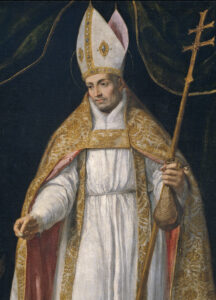
St. Thomas of Villanova, canonically honored as the “Father of the Poor,” serves as a living icon of Mary’s mercy. His life, characterized by a “mighty and sympathetic heart,” reflects the source’s description of the “Comforter of the Afflicted.” He understood that the path to the Kingdom is paved with the service of those in trial, effectively acting as an earthly extension of Mary’s role as the advocate for the abandoned and the shipwrecked.

In the revelations made to St. Bridget, Our Lady declares a profound truth: no matter how numerous a person’s sins, she is prepared to receive them graciously if they turn to her with a sincere purpose of amendment. As the source context clarifies, Mary does not regard the quantity of the sins but the quality of the heart’s return. This “purpose of amendment” is the critical differentiator; it is the opening of the soul that allows the Mother of Mercy to heal wounds and conduct the sinner to the haven of salvation.
“Poor abandoned sinners, do not despair! Raise your eyes to Mary and be comforted, trusting in the clemency of this good Mother.”
— St. Alphonsus Liguori
Mary and the Magisterium
The title “Mother of Mercy” is not merely a devotional ornament but is canonically enshrined within the proper of the Missal and the Divine Office. This title reflects the “clemency of this good Mother” and is recognized in the Raccolta as a source of great graces. The Church teaches that this devotion nourishes the spirit of compunction and preserves the converted sinner from relapsing, acting as a strategic defense against the “infernal enemy.”

- When you turn to Mary in prayer, is your heart truly disposed toward a "purpose of amendment," or are you merely seeking relief from the consequences of sin?
- Mary promised St. Bridget she would "receive the sinner graciously." How does this promise specifically speak to your "So What?" when facing your current spiritual miseries?
Closing Prayer
Lord, let me never despair, but always find a secure refuge in the mercy of my Mother.
Amen.